Supply chain dependencies pose risks to renewable energy goals: study
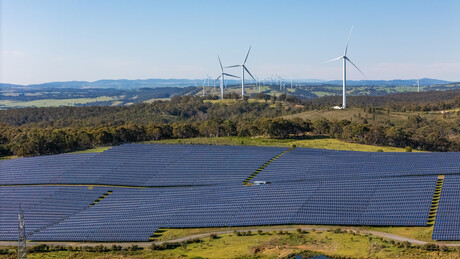
A study by researchers from Adelaide University and Flinders University has found that Australia’s renewable energy aims could be limited without stronger domestic manufacturing and supply chain capabilities. The study showed that while renewable energy generation is advancing, progress is constrained by supply chain dependencies, grid limitations and fragmented policy settings, and that these factors could undermine long-term energy security.
“Australia has a unique opportunity to become a global leader in renewable energy, but this will require coordinated action across government, industry and research sectors,” said Dr Naresh Gupta from Adelaide University’s College of Business and Law. “Rather than focusing solely on energy generation, the research calls for a more integrated approach that combines technological innovation, infrastructure development and policy alignment.”
Key recommendations include strengthening domestic manufacturing capacity, investing in grid resilience, improving coordination between government and industry, and building more sustainable supply chains.
The study, published in the Australasian Journal of Environmental Management, highlights Australia’s transition is particularly vulnerable due to its reliance on global supply chains for critical materials and technologies.
“The biggest risk to renewable energy is not generation; it is the supply chain behind it,” Gupta said.
“Australia has made significant progress in solar and wind energy, supported by abundant natural resources and growing investment; however, structural challenges remain, including reliance on imported technologies, grid integration constraints and uneven regional development,” said Professor Indra Gunawan from Flinders University. “Addressing these issues is essential not only for meeting climate targets, but also for strengthening energy security and long-term economic resilience.”
The research draws on a review of academic and industry studies, guided by frameworks including energy transition theory and sustainable supply chain management.
“Renewable energy is no longer just an environmental priority; it is central to Australia’s economic and energy future,” Gupta said.
NeoSmelt joins HILT CRC in low-emissions ironmaking research
NeoSmelt is investigating the development of a direct reduced iron electric smelting furnace...
Former mine site at Teralba to be new train manufacturing hub
The NSW Government has announced a former mine site at Teralba as the preferred location for a...
Weld Australia joins Additive Manufacturing CRC
New partnership will connect Australia's welding industry with a $57.5m national research...