Australian manufacturers should prioritise energy optimisation over net zero
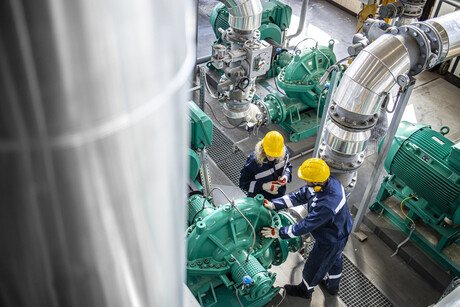
Australian manufacturers should be looking at energy waste and fix the basics as the first step in reducing spiralling energy costs, before committing to expensive new technologies and overly ambitious emissions reduction targets.
A recent CommBank survey found 89% of SMEs reported increased business costs over the past year, with utilities the largest contributor for 66% of businesses. Data from Energy Consumers Australia shows small business electricity bills have risen around 8% nationally in the past year, with some states recording increases above 20%.
DETA Consulting, an Australian and New Zealand engineering and energy advisory firm, says the issue is not ambition but sequencing.
“Too many organisations chase shiny technology or public net-zero commitments without fixing the basics,” said DETA’s managing director Jonathan Pooch. “It’s like worrying about the hot dog when you don’t have the bread yet.
“We regularly see 20–30% energy savings sitting there because no one has done a proper site walk-through and data review.”
Pooch said many manufacturing and commercial sites are leaking value every day through inefficient scheduling, poor controls and neglected maintenance.
“Energy is not always the biggest cost in a business, but it is often the easiest cost to reduce without harming production,” he said. “You are not cutting staff or ingredients. You are stripping out waste.”
A recent example is Cheetham Salt Australia, the country’s largest producer and refiner of solar salt.
DETA identified opportunities through an energy audit and carbon roadmap to save 4033 tonnes of CO2e per year — a 96% reduction — and deliver financial returns within one to three years. The audit gave the board actionable data, showing exactly where energy inefficiencies were costing money and how improvements could be sequenced for maximum impact.
Priority reduction initiatives were identified, a baseline established and a clear transition plan created, linking cost savings directly to decarbonisation outcomes.
Industry analysis suggests many manufacturers could reduce energy consumption by 20–30% through relatively straightforward operational changes before investing in new tech, including:
- Stop waste: Regularly review metering data, switch off idle equipment and align plant schedules with actual production demand rather than running equipment continuously by default.
- General maintenance: Compressed air systems, pumps and other utilities often run constantly with leaks or inefficiencies that go unnoticed. In energy-intensive environments, small faults translate into significant annual costs.
-
Control: Introduce stronger operational controls over when major energy loads run. Before changing fuel sources or installing new technology, ensure existing systems are operating only when required and at optimal settings.
Once waste is removed and savings are banked, businesses are in a stronger position to invest in lower-emissions technologies such as heat pumps, electrification of process heat, renewable energy procurement or longer-term power purchase agreements.
“If you unlock 25% savings through efficiency, that cash flow can help fund the next stage,” Pooch said. “The mistake is trying to fund major technology shifts before you have stabilised the business case.”
Pooch said part of the barrier is cultural, as many engineering teams are focused on output and production targets, with limited time or resources dedicated to analysing energy inputs in detail.
“Businesses understand how their product is made. They do not always understand how energy moves through their plant. That gap is where significant savings sit,” he said. “In a volatile energy market, sustainability only works if it is financially sustainable. Fix what you have first. Deliver measurable savings, then scale into the next phase of decarbonisation with confidence.”
Why quantum is our next big bet after AI
Equating 'quantum' with only 'quantum computing' risks missing out on the...
IMARC 2026 will bring the mining world to Sydney
Now is the time for robust conversations and new thinking as we seek solutions to support mining...
A high-speed, real-time optical data connection for industrial applications
Fraunhofer IPMS has introduced a new industrial communication technology called...